
Battery equipment customization plays an important role in lithium battery manufacturing. Different cell formats, module designs, production targets, and quality requirements can all affect how an automated production line should be designed.
Many buyers start with a simple question: Can we purchase a production line that has already been built for another customer?
A proven reference line is a useful starting point, but it is not always a ready-to-order solution. A battery module PACK line designed for one product may require significant engineering changes before it can manufacture another product efficiently and consistently.
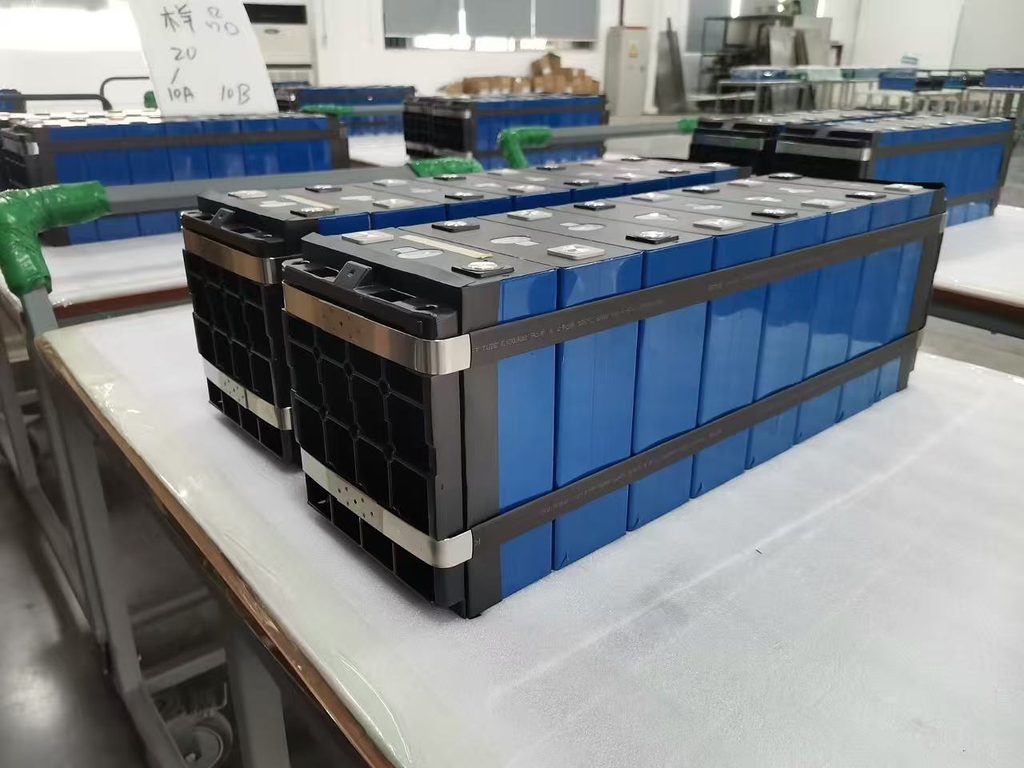
Cell dimensions influence material handling and fixturing. Module structure affects the assembly sequence and joining processes. Production capacity determines station configuration, while quality requirements influence inspection methods and data collection.
For these reasons, non-standard customization is often an essential part of defining battery manufacturing equipment.
Shenzhen Jialuo Intelligent Technology Co., Ltd. develops battery module and CCS equipment according to project-specific requirements. Defining the customization scope during the technical proposal stage helps both the buyer and the equipment supplier align on the production process, equipment configuration, and acceptance criteria before manufacturing begins.
Why Is Battery Manufacturing Equipment Often Customized?
Battery products vary considerably across applications. Even when two manufacturers produce similar battery modules, their cell specifications, module structures, production volumes, and quality standards may differ.
These differences can affect the mechanical design, automation logic, inspection strategy, and commissioning process of the production line.
1. Cell Format and Product Dimensions
Prismatic, cylindrical, and pouch cells have different geometries and handling requirements.
The gripping method, support structure, positioning accuracy, compression method, and stacking sequence must be considered according to the actual cell design.
As a result, the infeed and material-handling sections of a line may need to be redesigned when the cell format or dimensions change, even if some downstream processes remain similar.
For battery equipment buyers, providing accurate product drawings and dimensional tolerances is an important first step toward defining the right equipment configuration.
2. Module Structure and Assembly Process
The internal structure of a battery module determines how components are positioned, connected, and inspected.
Depending on the design, the assembly process may include cell positioning, module compression, busbar joining, CCS installation, structural fastening, electrical testing, and other operations.
The joining sequence and accessibility of each connection point can affect station layout, tooling design, and cycle time.
Changes in the series-and-parallel configuration may also change the number of electrical connections required per module. These factors should be evaluated when planning the production process and equipment capacity.
3. Production Capacity and Station Configuration
Production capacity is another major factor in battery equipment customization.
A line designed for a moderate output target may use a different station arrangement from a line intended for higher-volume manufacturing. Depending on the required throughput, the design may need parallel stations, additional buffers, or a different distribution of inspection operations.
A higher output target does not necessarily mean that every station can simply operate faster. The overall line capacity depends on the cycle time of individual processes, material flow, equipment availability, and bottlenecks.
Buyers should therefore communicate their expected output per shift, working hours, shifts per day, and longer-term production targets before the line configuration is finalized.
4. Factory Layout and Site Conditions
The available installation space can influence the physical arrangement of the production line.
Floor area, ceiling height, doorway dimensions, logistics routes, and material-handling equipment may all affect the final layout. Depending on the site, an inline or space-saving arrangement may be considered.
Utility requirements also need early confirmation. Electrical supply, compressed air, cooling water, and other process utilities may influence equipment specification and installation planning.
Sharing the factory layout and site constraints during the initial engineering discussion helps reduce the risk of layout changes later in the project.
5. Quality Control and Inspection Requirements
Inspection requirements vary according to the product, application, and customer’s quality system.
Some projects may require vision inspection, electrical testing, verification of individual joining processes, or traceability for each component. Others may focus on end-of-line testing and recording the final test results.
The inspection strategy affects the number and location of inspection stations, the required test equipment, and the amount of production data that must be collected.
Where component-level traceability is required, additional scanning, identification, and data-association steps may be necessary.
The inspection scope should therefore be defined alongside the production process, rather than added after the main equipment design has been completed.
What Does Battery Equipment Customization Include?
Customization is not limited to changing the size or appearance of a machine. It can involve mechanical structures, process design, control systems, data interfaces, and quality inspection.
Understanding these areas helps buyers identify which requirements must be specified in detail and which can be developed jointly with the equipment supplier.
Mechanical Design and Tooling
Mechanical customization may include fixtures, grippers, clamping structures, tooling plates, station frames, and material-handling mechanisms.
These components often need to match the specific dimensions and tolerances of the battery product.
For example, a welding fixture may need to accommodate the geometry of a particular busbar and provide suitable positioning and clamping conditions. The final design should be evaluated against the actual product drawings and validated process requirements.
Process Route and Equipment Configuration
The process route defines which operations the line performs and in what sequence.
Depending on the product and production requirements, the process may include cleaning, adhesive dispensing, welding, riveting, fastening, inspection, or electrical testing.
Not every project requires every process. The final equipment configuration should be based on the product structure, established manufacturing method, and required quality results.
Parameters such as pressure, temperature, and process duration should be confirmed through appropriate engineering evaluation and process validation rather than copied automatically from another production line.
Automation Control and Operating Logic
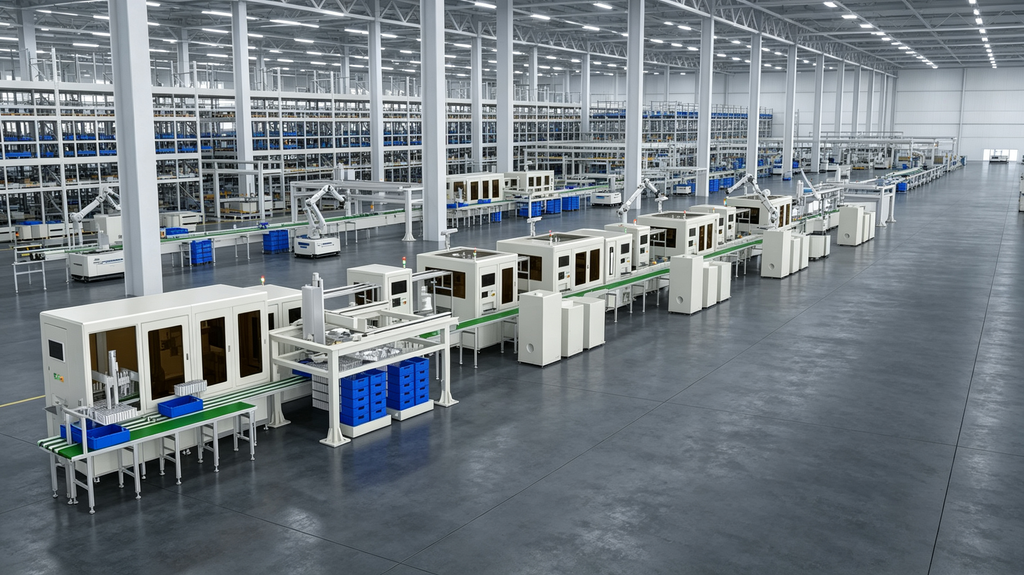
The control system coordinates individual stations and manages how the line operates.
Customization may involve operating sequences, product recipes, alarm logic, equipment interlocks, and communication between stations.
Where multiple product variants are planned, recipe management and changeover requirements should be discussed during the design stage.
Safety functions must also be designed and assessed according to the applicable requirements for the destination market and the specific equipment configuration.
MES Integration and Production Data
A manufacturing execution system (MES) may be used to exchange production information between the equipment and the customer’s manufacturing system.
Depending on the project, the required data may include product identification, process parameters, test results, equipment alarms, and production records.
The scope of integration should specify the interface method, required data fields, communication requirements, and responsibility for data storage.
Defining these requirements early helps the equipment supplier determine the necessary hardware, software, and station-level data collection functions.
Inspection and Testing Strategy
Inspection customization determines what is checked, where each check takes place, and how results are recorded.
For example, a project may require verification after selected joining operations, vision inspection of specified components, or electrical testing at the end of the line.
The number of test channels and measurement points depends on the inspection scope and product design. Acceptance limits, test methods, and reporting requirements should be agreed upon before manufacturing and commissioning.
Does Customized Equipment Still Use Standard Components?
Yes. A customized production line does not necessarily mean that every component must be designed from scratch.
Equipment suppliers can often reuse established design platforms and proven components, including frame structures, conveying modules, servo motion units, safety guarding, and control cabinets.
Vision systems, laser sources, welding controllers, and test instruments may also be selected from established component families, depending on the application.
The product-specific elements—such as fixtures, station arrangements, process sequences, and data interfaces—can then be adapted to the project.
This approach helps distinguish an engineered production line from a completely new experimental system. Reusing suitable design elements can help manage engineering effort, component sourcing, spare-parts planning, and project risk.
For buyers, it is useful to understand which parts of a proposed line are based on established designs and which require new engineering. This also helps focus technical discussions on the areas that have the greatest impact on product compatibility and process performance.
How Does Customization Affect Cost, Delivery, and Acceptance?
Customization decisions can influence engineering time, procurement, manufacturing, installation, and final acceptance. Discussing these effects early helps establish realistic project expectations.
Engineering Time and Delivery Schedule
Custom tooling and newly developed stations require design, procurement, assembly, and validation work.
A line that reuses many established modules may follow a different schedule from one requiring specialized fixtures or new process stations.
The delivery schedule should therefore reflect the actual engineering scope and component lead times, rather than relying only on a standard machine’s advertised delivery period.
Information Required Before Design Begins
A customized project generally requires more product-specific information before the design can be finalized.
Useful inputs include product drawings, dimensional tolerances, samples where available, process requirements, and production capacity targets.
For processes with established or validated operating conditions, buyers should also identify which parameters must remain unchanged. Where necessary, process trials can help evaluate feasibility before the equipment configuration is frozen.
Equipment Acceptance Criteria
A standard machine may be evaluated against a general specification sheet. A customized production line usually needs acceptance criteria that reflect the specific product and manufacturing process.
These criteria may cover output, process quality, inspection methods, sample quantities, traceability, and the conditions under which testing will be conducted.
The buyer and supplier should agree on the acceptance procedure and measurable requirements before manufacturing begins. This establishes a clearer basis for commissioning and final project approval.
Future Product Variants and Upgrades
A production line designed for one product may be adaptable to additional variants, but flexibility depends on the original design.
Interchangeable fixtures, adjustable tooling, recipe management, and sufficient space for future stations can support later changes. Fundamental constraints such as the line layout, station count, or process architecture may be more difficult to modify.
If additional product variants or capacity expansion are expected, these plans should be discussed during the initial project rather than after installation.
What Should You Prepare Before Requesting a Battery Equipment Proposal?
Providing complete technical information helps the equipment supplier evaluate the production process and develop a more suitable proposal.
The exact information required depends on the project, but the following items are commonly useful.
Product Drawings and Specifications
Prepare the relevant cell drawings, module assembly drawings, and busbar or CCS drawings according to the proposed line scope.
Dimensional tolerances are important because fixture design and positioning accuracy must account for actual product variation, not just nominal dimensions.
If available, sample parts and reference photos can also help clarify the product structure.
Production Capacity and Operating Schedule
Describe the required output per shift, working hours per shift, number of shifts per day, and expected annual production volume.
Where future expansion is planned, indicate the expected capacity increase and when it may be required.
A single PPM figure does not always provide enough information to determine the complete line configuration.
Manufacturing Process and Joining Methods
Identify the required process sequence and any established manufacturing constraints.
These may include welding methods, adhesive types, cleaning requirements, protective atmosphere conditions, or previously validated process windows.
For example, a CCS assembly project may require a particular joining method and inspection scope. These requirements should be clarified before the equipment supplier defines the station configuration.
Quality and Traceability Requirements
Specify the required inspections, test methods, acceptance limits, production records, and reporting formats.
If MES integration or product-level genealogy is required, clarify the information that must be collected and the expected data retention period.
These details can affect both equipment configuration and software development.
Factory Layout and Utilities
Provide the available floor layout, doorway dimensions, installation constraints, and relevant utility information.
Environmental conditions, dust-control requirements, and other site-specific factors should also be identified when they affect the equipment specification.
Future Product and Capacity Plans
If the line may need to handle additional product variants, explain those requirements as early as possible.
The engineering team can then evaluate whether the proposed design should include interchangeable tooling, flexible recipes, additional station capacity, or other provisions for future changes.
Reference Capacity and Installation Considerations
For reference, certain battery module PACK line configurations may be designed for approximately 12–15 PPM, while other configurations may target approximately 30–40 PPM.
These figures are examples of different reference configurations, not universal performance guarantees. Actual output and station count depend on cell specifications, module structure, process route, automation level, and agreed operating conditions. The applicable targets should be confirmed in the project technical proposal and equipment acceptance criteria.
Installation and commissioning schedules also vary by equipment type and project scope. As reference values, domestic installation and commissioning for some steel strap lines may take approximately 7–10 days, while other battery module production lines may require around 30 days. Overseas implementation may be completed within approximately one month for suitable projects, subject to site readiness and the agreed scope.
These durations are indicative only. Actual schedules depend on line complexity, utility availability, installation conditions, integration requirements, and the acceptance procedure.
Frequently Asked Questions About Battery Equipment Customization
Why Is Non-Standard Equipment Common in Battery Manufacturing?
Battery products differ in cell format, module structure, production capacity, and quality requirements. These differences influence material handling, joining processes, inspection, and line layout. Equipment therefore often needs to be configured for the specific product and manufacturing process.
Does Customization Always Mean Higher Equipment Cost?
Customization may add engineering and development costs, but a standard machine may not meet the required product specifications or quality standards.
The more useful approach is to identify which requirements drive cost and evaluate whether the proposed configuration meets the essential production needs without unnecessary complexity.
How Long Does a Customized Battery Production Line Take to Deliver?
The schedule depends on the amount of new engineering, the number of customized stations, component lead times, and project validation requirements.
The final schedule should be confirmed in the technical proposal, including key milestones such as design review, manufacturing, factory testing, shipment, installation, and commissioning.
Can a Battery Module Production Line Handle Different Products?
It depends on the original design and the differences between the products.
Some variants may be accommodated through fixture changes and software parameter adjustments. Others may require additional stations or more extensive mechanical and process modifications.
The supplier should evaluate compatibility using the actual product drawings and process requirements rather than assuming that different products can share the same line.
How Are Installation and Commissioning Managed?
Shenzhen Jialuo Intelligent Technology Co., Ltd. carries out equipment pre-commissioning in Shenzhen before shipment. This helps identify and address issues before the equipment arrives at the customer’s facility.
On-site work may include installation, integration, process debugging, and validation. For overseas projects, interpreter support may be arranged where required.
The installation plan, responsibilities, and acceptance procedure should be confirmed for each project.
Key Takeaways
Battery equipment customization is an important part of developing a production line that matches the intended product and manufacturing process.
The main considerations include:
- Product compatibility: Cell format, dimensions, module structure, and joining requirements shape the mechanical and process design.
- Production capacity: Output targets influence station configuration, material flow, and inspection capacity.
- Quality and traceability: Testing, documentation, and MES integration requirements should be defined early.
- Engineering and cost: Reusable design platforms can support customization, while product-specific components require project-level evaluation.
- Acceptance and future flexibility: Measurable acceptance criteria and plans for future product variants should be agreed upon before manufacturing begins.
A successful project starts with clear technical communication. The more accurately the product, process, capacity, and site requirements are defined, the easier it is to evaluate the right equipment configuration.
About Jialuo Intelligent
Shenzhen Jialuo Intelligent Technology Co., Ltd. develops intelligent equipment and production-line solutions for lithium battery manufacturing.
Our product portfolio includes:
- Battery Module PACK Production Lines
- Battery Module Steel Strap Forming Lines
- CCS Automated Production Lines
- Prismatic Cell Cover Plate Assembly and Welding Equipment
- Battery Module Testing Solutions
- Customized Lithium Battery Automation Equipment
Founded in 2008, Jialuo Intelligent has focused on intelligent equipment for the new energy and lithium battery industry since 2019.
Our engineering capabilities cover mechanical design, automation control, equipment integration, equipment commissioning, and customized manufacturing solutions.
Planning a Customized Battery Module PACK Line?
Every battery module project has its own product structure, process requirements, and production targets.
Whether you are planning a new battery module PACK line or evaluating an existing production process, our team can review your technical requirements and discuss a suitable equipment configuration.
To start a technical discussion, please prepare your product drawings, target output, required process steps, inspection requirements, and factory layout if available.
Contact Shenzhen Jialuo Intelligent Technology Co., Ltd.
- Email: jch@cnjialuo.com
- WhatsApp: +86 181 2473 5015
- Address: Room 101, Building 2, No. 8, Chengguang Industrial Park, Kukeng, Dafu Community, Guanlan Street, Longhua District, Shenzhen, China
Jialuo Intelligent | Battery Automation Solutions