Choosing a battery module equipment supplier involves more than comparing machine lists and prices. Buyers also need to understand which manufacturing processes the equipment covers, how individual stations work together, and how testing, traceability, and commissioning are handled.
Shenzhen Jialuo Intelligent Technology Co., Ltd. develops equipment and production-line solutions for lithium battery manufacturing. Its portfolio covers battery module PACK lines, battery module steel strap forming lines, CCS automated production lines, and supporting testing equipment.
This article explains Jialuo Intelligent’s equipment capabilities, key process technologies, engineering functions, and project delivery approach to help buyers evaluate potential solutions for their manufacturing requirements.
What Does Jialuo Intelligent’s Equipment Portfolio Cover?
Jialuo Intelligent’s equipment portfolio is organized around three main production-line categories:
- Battery Module PACK Production Lines
- Battery Module Steel Strap Forming Lines
- CCS Automated Production Lines
The company also provides supporting equipment, including cell sorting machines, cover plate assembly and welding equipment, and customized lithium battery automation solutions.
Each equipment category serves a different manufacturing purpose. The final configuration depends on the product structure, process requirements, production capacity, and inspection scope.
1. Battery Module PACK Production Lines
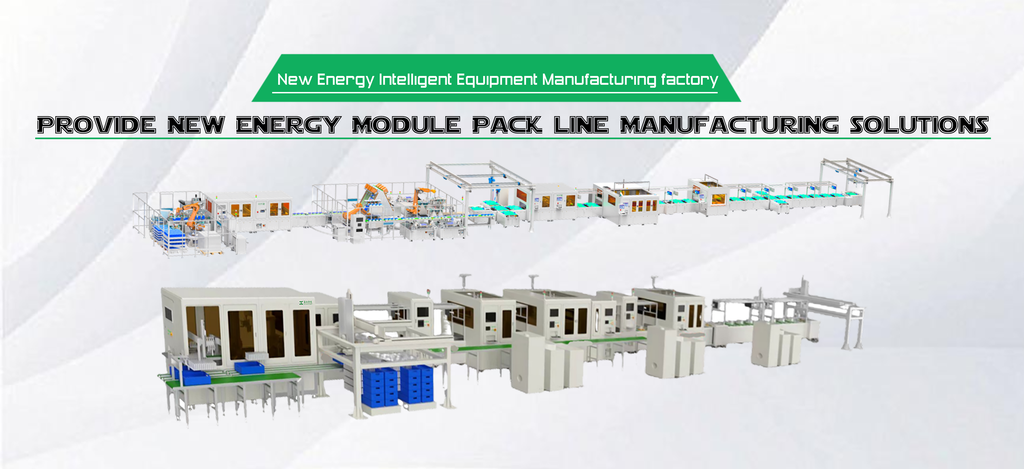
A battery module PACK line integrates the manufacturing operations required to assemble battery cells into modules or packs, according to the customer’s product design.
Depending on the application and automation level, a line may include cell loading, positioning, measurement, sorting, stacking, joining, electrical testing, and final assembly.
Typical Process Steps
The process route may include:
- Cell loading and positioning: Loading cells and positioning them for subsequent operations.
- Measurement and sorting: Performing specified dimensional measurements, open-circuit voltage (OCV) testing, and sorting.
- Cell stacking and module assembly: Arranging cells according to the module structure and assembly requirements.
- Polarity detection and identification: Verifying cell orientation and carrying out required identification steps.
- Laser cleaning and busbar welding: Preparing selected joining areas and welding electrical connections where required.
- Electrical testing: Performing the electrical checks specified for the product and process.
- Final module or PACK assembly: Completing the remaining assembly operations within the agreed equipment scope.
Not every line includes all these operations. The final process route must be matched to the product drawings, cell format, module structure, joining method, and quality requirements.
Semi-Automatic and Fully Automatic Configurations
Jialuo Intelligent provides semi-automatic and fully automatic production-line solutions.
A semi-automatic line may retain manual loading or selected operator-assisted operations, while a fully automatic configuration can integrate more material handling and process coordination.
The appropriate automation level depends on the customer’s production target, labor model, available factory space, investment plan, and future expansion requirements.
For a reliable proposal, buyers should provide the expected output per shift, number of shifts, product specifications, and required process steps. These inputs help determine the station configuration and the level of automation needed.
2. Battery Module Steel Strap Forming Lines
A battery module steel strap forming line is designed to process steel straps used to secure battery modules. It is different from a complete battery module PACK assembly line and should be evaluated according to the strap’s material specifications, geometry, forming requirements, and inspection criteria.
Typical Forming and Inspection Processes
Depending on the configuration, the process may include:
- Material uncoiling and leveling
- Blanking and forming
- Sleeve insertion
- Heat shrinking and cooling
- Trimming and bending
- Welding
- Dimensional inspection
- Insulation withstand testing
- Pull testing
The sequence and scope of these operations depend on the actual strap design and manufacturing process.
For example, strap width, thickness, length, bending geometry, and fixing requirements can affect tooling design and forming parameters. These details should be confirmed during the technical proposal stage.
Why Product Specifications Matter
Steel strap equipment is generally designed around the required finished geometry and material characteristics.
Providing drawings, dimensional tolerances, material specifications, and relevant quality requirements allows the equipment supplier to evaluate the forming route and inspection scope.
For customers planning to manufacture different strap variants, it is also important to discuss the required product range and changeover expectations before the equipment design is finalized.
3. CCS Automated Production Lines
A CCS production line handles the assembly and joining of Cell Contact System components used in battery modules.
Depending on the CCS design, the production process may involve busbars, flexible printed circuits (FPCs), positioning, joining, electrical testing, and visual inspection.
Typical CCS Assembly and Joining Processes
A CCS line may include:
- Loading and positioning busbars and FPC assemblies
- Visual checks of selected components
- Multi-point pulse hot riveting
- Busbar laser welding
- Electrical testing
- Automated optical inspection (AOI)
The final station list depends on the CCS structure, required joining methods, inspection coverage, and production capacity.
Pulse Hot Riveting and Laser Welding
Pulse hot riveting and laser welding serve different purposes and should be specified according to the CCS design.
Pulse hot riveting may be used to secure selected FPC assemblies or related components. Laser welding may be used to create specified electrical connections between compatible conductive components.
The required sequence, joining locations, and inspection steps should be confirmed against the product drawings and process requirements. These methods should not be treated as interchangeable simply because they are used within the same production line.
For projects that require multiple joining methods, the equipment proposal should identify the function of each station and how the joining processes are integrated into the overall workflow.
Which Engineering Functions Support These Production Lines?
A production line requires coordinated mechanical design, automation control, process technology, inspection, and data integration. These engineering functions help ensure that individual stations operate as part of a complete manufacturing system.
Mechanical Design and Fixturing
Mechanical engineering covers station frames, fixtures, grippers, clamping structures, and tooling plates.
Fixtures must accommodate the product’s geometry and dimensional tolerances. Product drawings and, where appropriate, sample parts help engineers evaluate positioning, clamping, and handling requirements.
For customized projects, the mechanical design should be reviewed against the actual product specifications rather than relying only on nominal dimensions.
Automation and Control Systems
Automation engineering covers station sequencing, motion control, recipe management, alarm handling, and interlock logic.
For integrated production lines, the control system must also coordinate material flow and communication between stations.
Where multiple product variants are planned, recipe management and changeover requirements should be discussed early. Applicable safety requirements must also be considered according to the equipment configuration and destination market.
Vision, Laser, and Material-Handling Technologies
Depending on the application, equipment solutions may incorporate:
- Robotic handling
- Vision-based positioning and inspection
- Laser welding
- Laser cutting
- Automated material handling, including AGV-based solutions where required
Vision systems may support component positioning, presence checks, dimensional verification, or other inspection tasks. The exact function depends on the station design and the agreed quality requirements.
Likewise, laser systems and handling equipment should be selected according to the process, product materials, required cycle time, and operating conditions.
Software and MES Integration
Where a customer operates a manufacturing execution system (MES), the equipment may be configured to exchange production information with that system.
Depending on the project scope, data may include product identification, process parameters, test results, equipment status, and traceability records.
The communication method, data fields, interface responsibilities, and data storage arrangements should be agreed during the technical proposal stage. These requirements may affect station programming and the overall integration plan.
How Are Testing and Inspection Integrated?
Testing requirements are a major factor in the configuration of battery module equipment. The correct inspection strategy depends on the product, process route, and quality standards that the equipment must meet.
What Test Functions May Be Included?
Depending on the equipment category and project scope, testing and inspection functions may include:
- Open-circuit voltage (OCV) testing
- Voltage and internal resistance measurement
- Insulation withstand testing
- Dimensional inspection
- Polarity detection
- Air-tightness testing for applicable equipment and components
- Pull testing for specified mechanical joints or steel strap applications
- Visual inspection and AOI
These functions do not necessarily belong on every production line. For example, air-tightness testing may be relevant to particular cover plate or sealing applications, while pull testing may be specified for selected steel strap or joining processes.
The equipment configuration should identify which tests are required, where they take place, and how the results are evaluated and recorded.
How Are Cell Sorting and OCV Testing Specified?
Cell sorting and OCV testing equipment must be selected according to the cell format, measurement requirements, sorting logic, and target output.
For reference, certain configurations may target approximately 30–40 PPM for cylindrical cell sorting and approximately 12 PPM for prismatic cell OCV sorting.
These figures are reference values for specific configurations, not guaranteed outputs for every project. Actual performance depends on cell specifications, measurement and sorting requirements, handling method, and automation level. The applicable output targets should be confirmed in the technical proposal and equipment acceptance criteria.
Why Should Acceptance Criteria Be Defined Early?
Testing equipment is only useful when the required measurement methods and acceptance limits are clearly specified.
Before manufacturing begins, the buyer and supplier should agree on the applicable test items, measurement conditions, sample quantities, acceptance limits, and reporting requirements.
Where traceability is required, they should also determine how test results are associated with product identification and retained for later reference.
Defining these requirements early reduces ambiguity during commissioning and helps establish a clear basis for equipment acceptance.
How Are Equipment and Production Lines Delivered?
Equipment projects typically progress through manufacturing, integration, pre-commissioning, shipment, installation, and on-site commissioning. The exact process and schedule depend on the equipment type and the agreed project scope.
Pre-Commissioning at the Shenzhen Facility
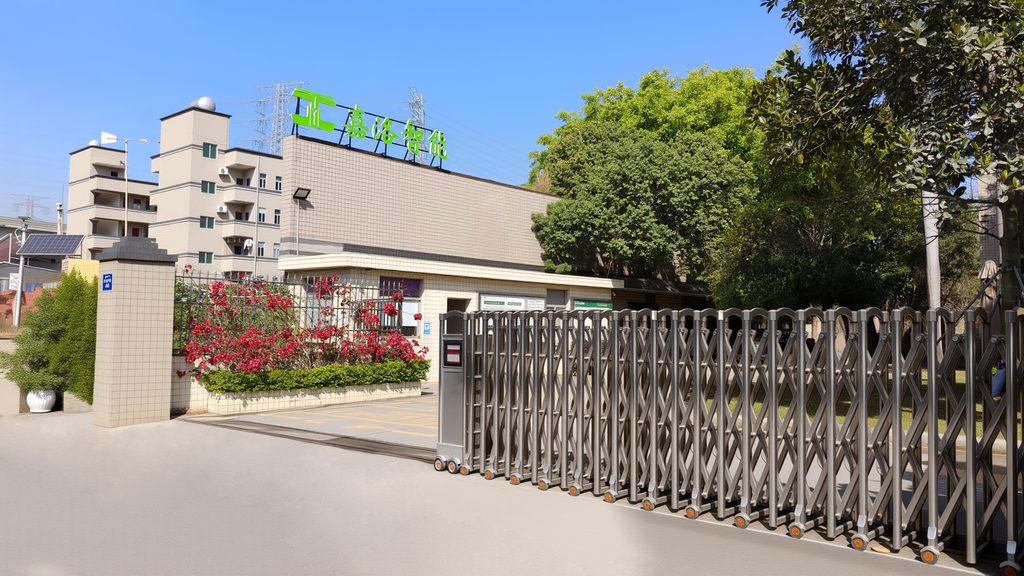
Equipment is assembled and integrated at Jialuo Intelligent’s Shenzhen facility.
Before shipment, pre-commissioning may include functional checks, verification of station sequences, control-system checks, and process validation according to the agreed requirements.
This provides an opportunity to identify mechanical, control, and process issues before the equipment is delivered to the customer.
The scope of pre-shipment testing depends on the project configuration and the agreed acceptance plan.
Installation and Commissioning at the Customer Site
On-site work may include equipment positioning, utility connection, station integration, process debugging, and production validation.
Engineers and technicians work with the customer’s production and facility teams to complete the agreed installation and commissioning activities. Interpreter support may be arranged for overseas projects where required.
The customer can help avoid unnecessary delays by preparing the installation area, utilities, product samples, materials, and required technical information before the equipment arrives.
Reference Installation and Commissioning Periods
For reference, on-site installation and commissioning for some domestic steel strap lines may take approximately 7–10 days, while other battery module production lines may require around 30 days. For suitable overseas projects, on-site implementation may be completed within approximately one month.
These are indicative durations, not fixed delivery commitments. Actual schedules depend on equipment complexity, site readiness, utility availability, integration requirements, and the agreed acceptance procedure.
The final schedule and responsibilities should be confirmed in the project plan.
Frequently Asked Questions
What Types of Battery Module Equipment Does Jialuo Intelligent Provide?
The portfolio covers battery module PACK lines, battery module steel strap forming lines, CCS automated production lines, prismatic cell cover plate assembly and welding equipment, battery module testing solutions, and customized lithium battery automation equipment.
Each category serves a different manufacturing purpose, and the final equipment scope depends on the product and process requirements.
Can the Equipment Be Integrated with an Existing MES?
MES integration may be included when required by the customer. The interface method, data fields, communication requirements, and data storage responsibilities should be agreed during the technical proposal stage.
Are the Production Lines Standard Products?
Many production lines are engineered according to project-specific requirements, while suitable standardized components and design platforms may be reused.
Frames, conveying modules, servo motion units, and control cabinets may be based on established designs, while fixtures, tooling, and process configurations are adapted to the product.
Does Jialuo Intelligent Provide Overseas Installation and Commissioning?
The company provides on-site installation and commissioning for its equipment. Equipment is pre-commissioned in Shenzhen before shipment, while the final on-site scope, schedule, and acceptance requirements are agreed for each project. Interpreter support may be arranged where required.
What Information Should Buyers Provide When Requesting a Proposal?
Useful information includes:
- Cell and module drawings
- Cell format and product specifications
- Required production capacity and working schedule
- Process sequence and joining methods
- Inspection and testing requirements
- MES and traceability requirements, if applicable
- Factory layout and site utility information
Providing these details helps the engineering team evaluate the required process route and propose an equipment configuration aligned with the customer’s production goals.
Key Takeaways
Jialuo Intelligent’s lithium battery module equipment portfolio covers three main production-line categories: battery module PACK lines, steel strap forming lines, and CCS automated production lines.
The key points for buyers to consider are:
- Process coverage: The station list should match the actual manufacturing process and product design.
- Engineering integration: Mechanical design, automation control, joining technologies, and material handling must work together as a complete system.
- Testing and traceability: Inspection scope, acceptance limits, and data requirements should be defined before manufacturing begins.
- Project delivery: Pre-commissioning, installation, and acceptance schedules depend on the equipment configuration and site readiness.
- Customization: Product drawings, capacity targets, process constraints, and future requirements help determine the appropriate solution.
A well-defined technical scope provides a stronger basis for evaluating equipment options, project schedules, and acceptance criteria.
About Jialuo Intelligent
Shenzhen Jialuo Intelligent Technology Co., Ltd. develops intelligent equipment and production-line solutions for lithium battery manufacturing.
Our product portfolio includes:
- Battery Module PACK Production Lines
- Battery Module Steel Strap Forming Lines
- CCS Automated Production Lines
- Prismatic Cell Cover Plate Assembly and Welding Equipment
- Battery Module Testing Solutions
- Customized Lithium Battery Automation Equipment
Founded in 2008, Jialuo Intelligent has focused on intelligent equipment for the new energy and lithium battery industry since 2019.
Our engineering capabilities cover mechanical design, automation control, equipment integration, line commissioning, and customized manufacturing solutions.
Planning a Lithium Battery Module Equipment Project?
The right equipment configuration depends on the product structure, cell format, joining method, inspection requirements, production capacity, and factory conditions.
If you are planning a new battery module PACK line, steel strap forming line, CCS production line, or supporting testing system, share your product drawings and process requirements with the Jialuo Intelligent team.
We can review the required process route and discuss a customized equipment solution based on your manufacturing goals.
Shenzhen Jialuo Intelligent Technology Co., Ltd.
Email: jch@cnjialuo.com
WhatsApp: +86 181 2473 5015
Address: Room 101, Building 2, No. 8, Chengguang Industrial Park, Kukeng, Dafu Community, Guanlan Street, Longhua District, Shenzhen, China
Jialuo Intelligent | Battery Automation Solutions